

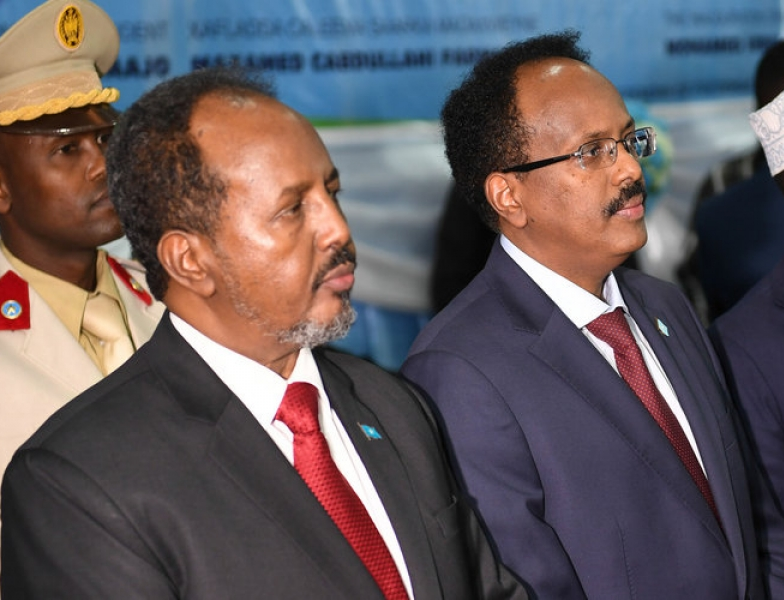
A week ago, on the historic day of May 15, shock waves spread throughout Somalia and its global diaspora. The nation’s parliament “elected” former President Hassan Sheikh Mohamud, a figure with an undisputed legacy of corruption, mismanagement, and divisive politics, over the immensely popular incumbent, President Mohamed Abdullahi “Farmajo.”
The Legacy of a “Marked Man”
President Farmajo, elected in February 2017, inherited a disorderly nation and made huge changes in security, good governance, the fight against corruption, and the defense of Somali territory. Unfortunately, for the past two years, he faced concerted attacks. He was a marked man for his nationalist agenda: his defense pact with Ethiopia and Eritrea, his refusal to give up part of the Somali Sea to Kenya, and his expulsions of nefarious diplomats.
The Machinery of Foreign Meddling
Western nations, led by the United States and the United Kingdom, ganged up with the United Arab Emirates, Kenya, Djibouti, Egypt, Saudi Arabia, and even Israel to dislodge him by any means possible. This culminated in millions of U.A.E. dollars—estimated at $42 million—pouring into Somalia just days before the presidential election.
An Auction, Not an Election
This dirty money found its target in the 328 MPs, most controversially ‘selected.’ They scrambled to get their share of what could be called “pennies from hell.” While 114 reportedly refused and voted for a Somalia free of mercenaries and foreign interference, the majority sold their vote. The result was an undemocratic indirect election where the country’s destiny was sold to the highest bidder by a few unrepresentative individuals.
A Bitter Acceptance and a Dark Future
Despite a vote laden with vote-buying and months of electoral tampering by the very people in charge, the incumbent president accepted his defeat with grace and congratulated his successor. Somalis everywhere are left baffled that their revered leader will not return to mend the troubled nation. In his place, an individual notorious for corruption and tribal politics will sit in Villa Somalia.
Conclusion: A Nation Cheated
In a nutshell, this was not a Somali-owned election. Foreign handlers chose the winner. The Somali people feel cheated, and Somalia has likely lost its nascent sovereignty, its development momentum, and any remaining confidence in its political class. The nation now braces for four years of looting, deterioration, and little protection for its security, natural resources, and territorial integrity.
