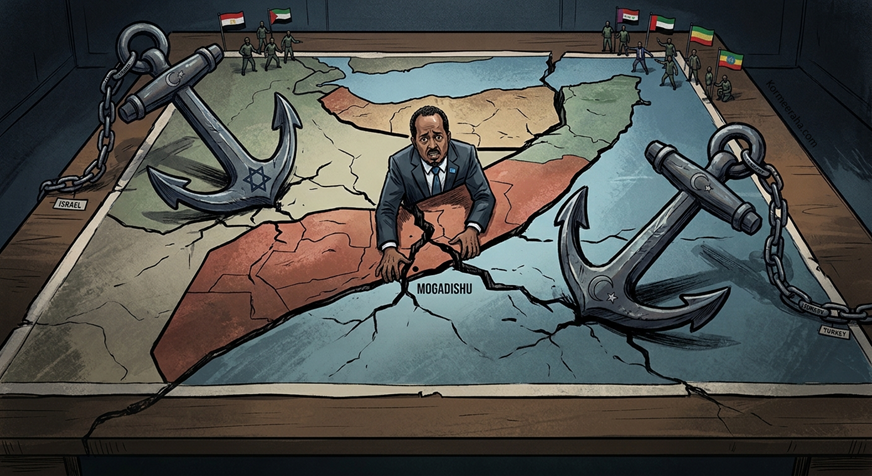
Between Two Anchors: Somalia’s Coast, Foreign Patrons, and the Failure of National Leadership
Somalia has ceased to be merely a state in recovery; it has become the premier maritime chessboard of the Horn of Africa.
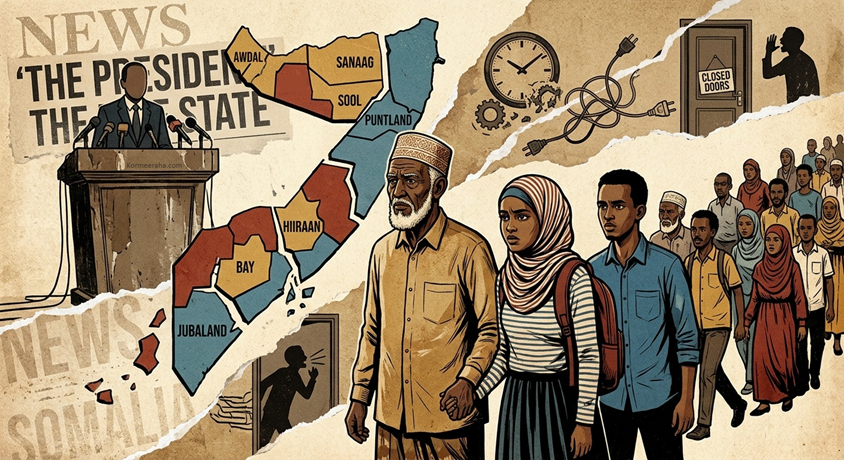
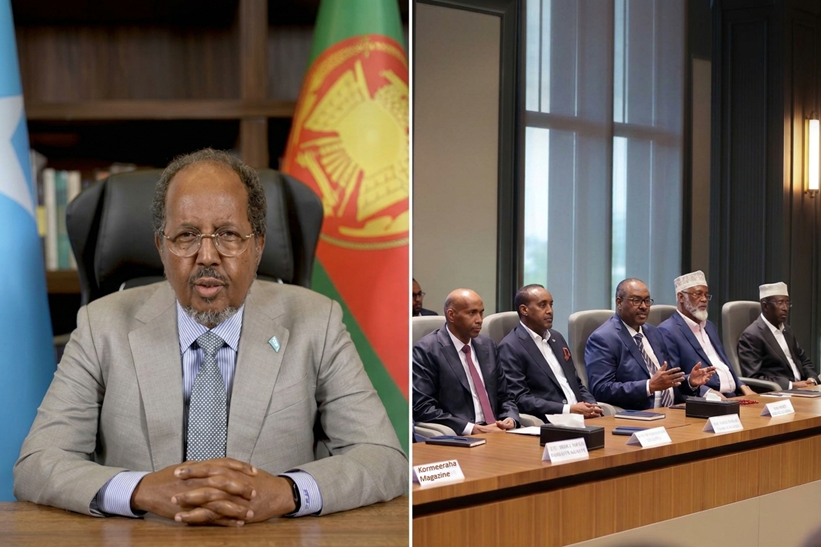
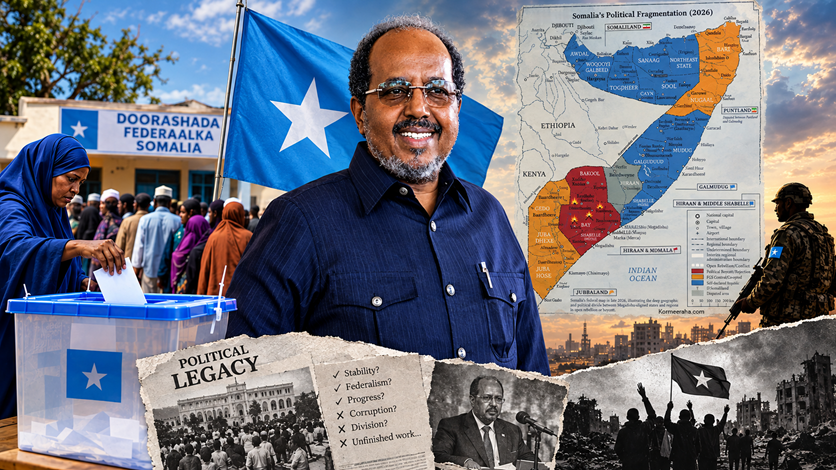
Let us dispense with the diplomatic euphemisms. The widespread discontent with President Hassan Sheikh Mohamud is neither a passing mood nor a tragic misunderstanding.
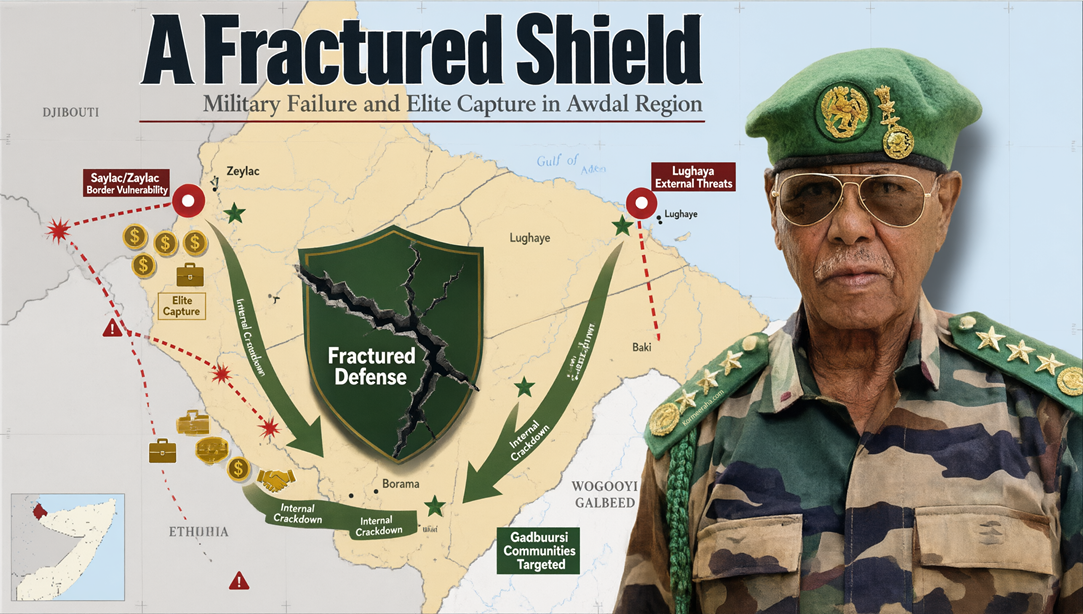
The contemporary geopolitical landscape of the Horn of Africa presents complex security dilemmas, but few are as acute—or as deeply concerning—as the unfolding crisis in the Awdal region.
In the lexicon of Somali politics, the shir (conference) is both a sacred mechanism for consensus and a frequent theater for political maneuvering.
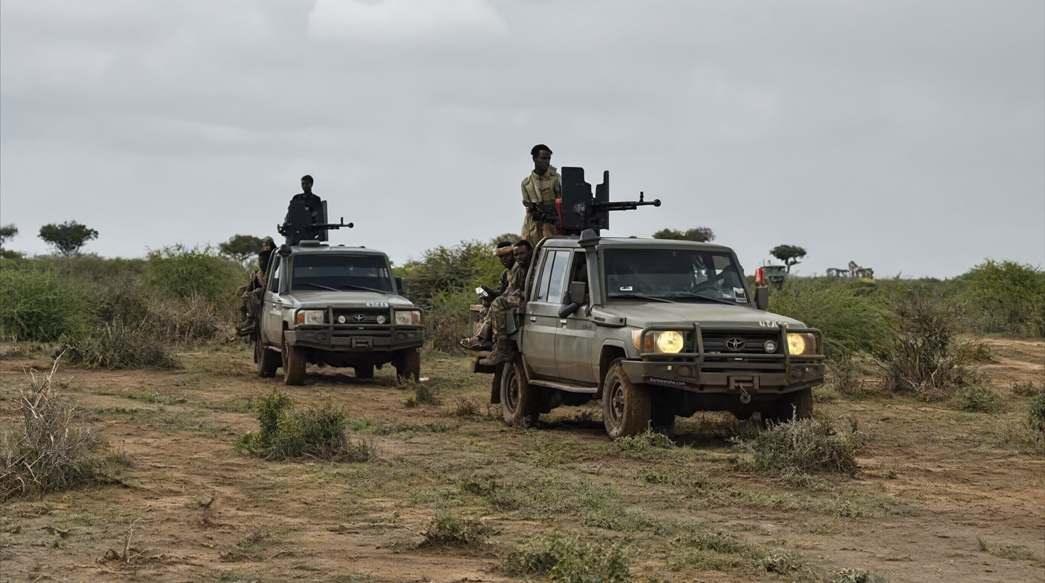
On Monday, October 26, 2026, the strategic corridor of Jamee’o (Jameeco)—linking Leego in Lower Shabelle to Buurhakaba in Bay region—became the site of a devastating clash between Somali National Army…
Many Somalis, especially in Mogadishu and the southern regions, struggle to tell the government and the opposition apart.
Africa’s pursuit of full sovereignty is rarely a linear march; it is a turbulent rhythm of ebbs and flows, where the promise of liberation frequently collides with the harsh realities…
The overwhelming majority of Somalis reject the naïve sentiment that political loyalty should replace sound judgment.
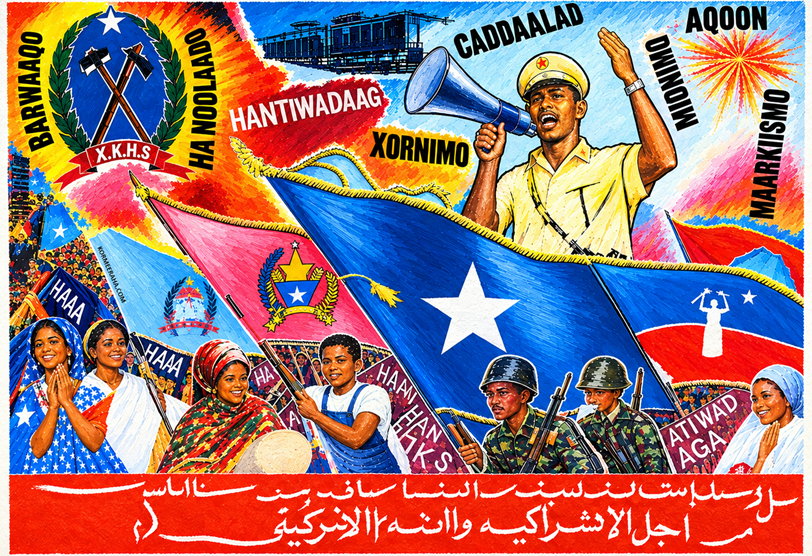
Somalia has failed to learn from one of the most consequential periods in its modern history: the 21 years of military rule from 1969 to 1991.
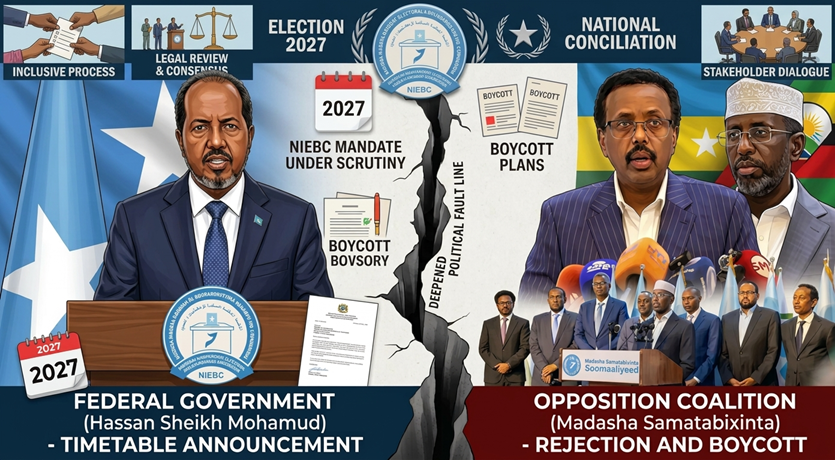
The announcement of a new federal election timetable for 2027 has deepened fault lines, threatening to unravel years of progress and potentially drag Mogadishu back into civil conflict.