

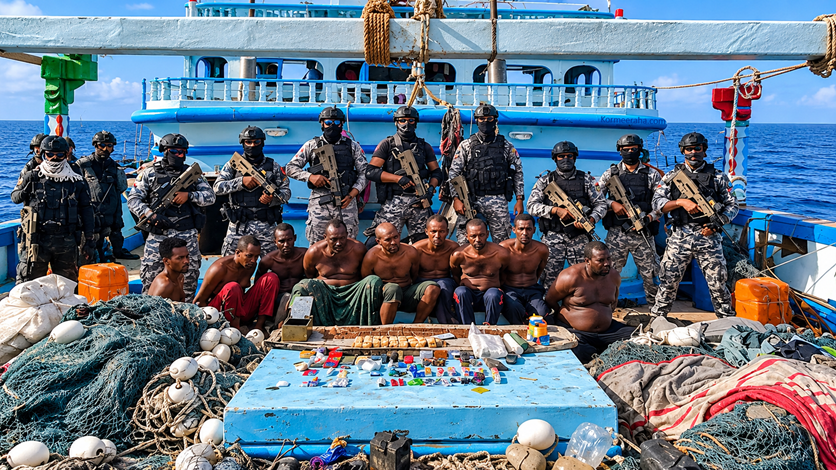
Billions were spent to secure the waters off the Horn of Africa, but the international response was built around Somalia, not with it. A former Director General of Foreign Affairs asks: who truly profited from our national crisis?
Piracy off the coast of Somalia must first and foremost be recognized as a domestic national security issue, although its international implications cannot be ignored. For years, the international community has invested considerable resources in combating piracy, yet fundamental questions remain about the motives behind these operations, their effectiveness, and, most importantly, what Somalia actually gained.
The collapse of Somalia’s central government created a vacuum in maritime security, leaving its territorial waters vulnerable to illegal fishing, exploitation of marine resources, and alleged toxic waste dumping. These developments contributed to grievances among coastal communities. However, rather than addressing the underlying problems, the international response largely concentrated on deploying foreign naval forces to protect international shipping.
The Geopolitics of a Bypassed State
Ironically, powerful countries, including all five permanent members of the UN Security Council, deployed warships to Somali waters, while Somalia received little meaningful assistance to rebuild its own naval capabilities. International funding supported prosecution programs in Kenya, Seychelles, and other countries, while regional centres dedicated to addressing piracy were established outside Somalia.
“Ironically, powerful countries, including all five permanent members of the UN Security Council, deployed warships to Somali waters, while Somalia received little meaningful assistance to rebuild its own naval capabilities.”
Why was the country most directly affected by piracy excluded from meaningful financial, institutional, and technological support?
Diplomacy on the Frontlines: The Human Cost of Outsourced Justice
During the height of the piracy crisis, I served as Director General of the Ministry of Foreign Affairs and International Cooperation and led Somali delegations to several international conferences. We repeatedly raised concerns about the arrest, prosecution, and imprisonment of suspected Somali pirates abroad. We questioned whether individuals had actually been apprehended in Somali territorial waters and warned that innocent fishermen could be wrongly accused, depriving entire coastal communities of their livelihoods.
More troubling were the grave human rights abuses we documented. Suspects were subjected to legal systems they did not understand, often without adequate legal representation or interpreters. Family visits were restricted, consular access was obstructed, and appeals were a mirage. Unfortunately, many of these concerns received little attention.
We proposed strengthening local justice institutions in Puntland and Somaliland, improving prison facilities, and developing the capacity to prosecute piracy-related offences domestically. We also advocated rebuilding Somalia’s naval forces and creating employment opportunities for unemployed coastal youth. These proposals were largely overlooked.
The Business of Crisis: Profiting from a National Tragedy
UN Security Council Resolutions 1816, 1846, and 1897, among others, facilitated international intervention against piracy. However, the resulting arrangements did not adequately prioritize rebuilding Somalia’s maritime security institutions. Instead, foreign military deployments and external prosecution arrangements became central to the international response.
I increasingly questioned whether the international anti-piracy program was benefiting Somalia, or merely creating an industry in which other countries and institutions benefited financially and strategically from our national crisis.
“I increasingly questioned whether the international anti-piracy program was benefiting Somalia, or merely creating an industry in which other countries and institutions benefited financially and strategically from our national crisis.”
Sovereignty Compromised: The Long Shadow of Maritime Agreements
The alleged agreements concerning piracy prosecutions and the disputed Somalia-Kenya maritime arrangements also raise serious questions about national sovereignty and accountability. I presented my objections to Parliament, which rejected the maritime agreement. Those responsible for compromising Somalia’s territorial integrity must be held accountable through lawful constitutional processes.
Reclaiming the Horizon: The Imperative for Sovereign Security
Ultimately, piracy cannot be defeated through foreign warships and imprisonment alone. Somalia needs a capable navy, effective maritime institutions, accountable leadership, international cooperation, and economic opportunities for its coastal communities.
The fundamental question remains: if billions were spent combating piracy off Somalia’s coast, why was Somalia not empowered to protect its own waters?
Related
- Somalia says No to EU Naval Forces in its Waters (March 2, 2022)