
Consolidating gains requires more than a cabinet reshuffle; it requires a different philosophy of leadership.
For some time, I have advanced a singular thesis across public forums. President Hassan Sheikh Mohamud (HSM) needs people of exceptional skill, professional competence, and international experience. They must translate his vision into reality, strengthen state institutions, and advance Somalia’s national interests.
“Somalia needs something more profound than another political reshuffle.”
I recall advising the President not to lose political momentum. He should appoint technocrats to key cabinet positions. These are individuals who understand governance, international relations, global politics, and modern state-building. Portfolios such as Foreign Affairs, Defence, Justice, Planning, Finance, Petroleum, and other productive sectors should have gone to qualified professionals, preferably from outside Parliament.
In fairness, we welcomed several significant achievements during HSM’s first two years in office. These included bringing home Somali soldiers trained in Eritrea and intensifying the campaign against Al-Shabaab. They also included securing Somalia’s membership in the East African Community, lifting the UN arms embargo, and achieving debt relief. These were important milestones that deserved recognition, regardless of political differences.
“Consolidate these achievements rather than squander the political momentum.”
My advice was therefore straightforward: consolidate these achievements rather than squander the political momentum. A strategic cabinet reshuffle, particularly involving the most sensitive ministries, could have strengthened the administration’s credibility. It could also have improved institutional performance and elevated Somalia’s standing internationally. If HSM seeks another term, his record could provide a strong political and constitutional foundation. It could also let him leave a positive legacy that all Somalis could acknowledge.
However, Somalia needs something more profound than another political reshuffle. It needs a change in the philosophy of leadership. A leader must define their mission around challenging the existing system and confronting entrenched corrupt elites. They must resist foreign interference, end dependency, and dismantle networks that have captured state institutions for private interests.
Unfortunately, HSM’s political approach has effectively closed the door on many people—myself included—who once contributed to the Somali state-building process. This is not merely a personal complaint. It is a concern about the loss of institutional memory and political experience at a time when Somalia can least afford it.
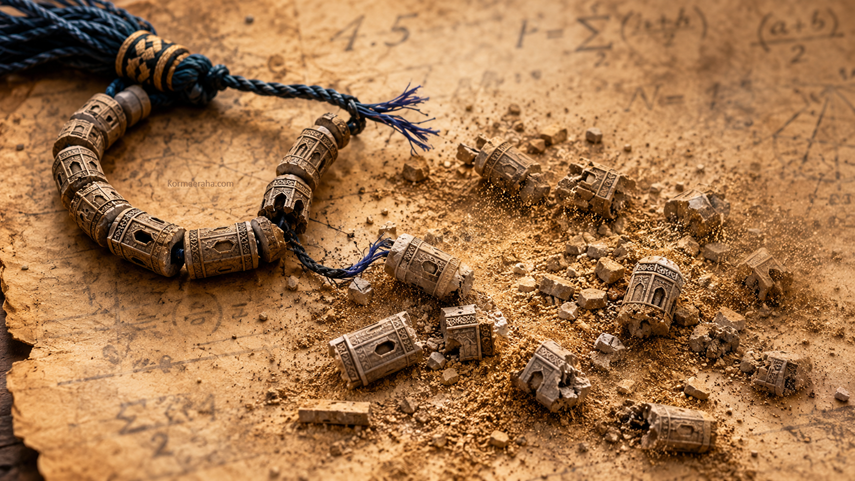
Let us remember that we worked toward establishing the Transitional Federal Government, formed at Mbagathi, Kenya. We cannot allow that historic undertaking and the sacrifices behind it to become shattered glass or a snapped string of prayer beads. We refuse to abandon the principles of national reconciliation, institutional continuity, and state-building.
“We are not merely mourning lost political opportunities; we are concerned about the country’s future.”
Some people were never invited to join the original Somali state-building process. Their political activities were challenged by those of us who helped rescue the country from collapse. Yet they have somehow become the hunters, while many original state-builders have become the hunted. This reversal is deeply troubling. Somalia has lost valuable experience, institutional memory, and some of its brightest minds.
Ultimately, we are not merely mourning lost political opportunities; we are concerned about the country’s future.
My final warning is this. Somalia needs genuine political accommodation, institutional consolidation, and an inclusive constitutional settlement. Any attempt to impose further constitutional changes without broad national consensus could have unforeseen and damaging consequences.
Somalia cannot afford another political gamble. If the country continues down this path, the political consequences could reshape the balance of power. They could alter clan-political arithmetic in ways that make another Hawiye president increasingly unlikely.
The question is no longer simply who occupies Villa Somalia. It is whether we are building a functioning Somali state or merely competing to control its remains.
“Are we building a functioning Somali state—or merely competing to control its remains?”
Somalia deserves better. History will not be kind to those who mistake state capture for nation-building.
Related
- The Arithmetic of Decay: Why Somalia’s Discontent is a Judgment, Not a Mood (November 5, 2026)
- Political Self-Sabotage: Somalia’s Opposition Has Run Out of Road (July 30, 2026)